
Page VR
Virtual and augmented reality: powering immersive learning
Safe, engaging, and pedagogically sound simulations to learn through action.
Why use virtual reality in training?

Develop real-world, on-the-ground reflexes

Prevent health and safety risks

Strengthen learning retention

Create lasting engagement through experience
Concrete measures in virtual reality, tangible results.
Train differently, where it really matters.
Learning through action
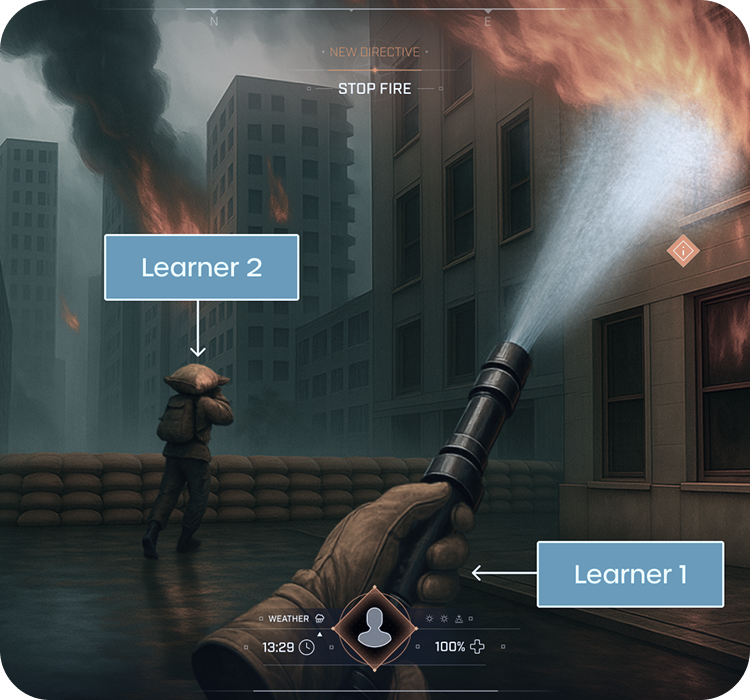
Immersive simulation | Training in real-life conditions, without risks
By recreating complex and realistic environments, immersive simulation enhances safety, improves understanding of processes, and supports their adoption, all in a safe setting.
Learning through action places learners at the center of the experience, enabling them to develop practical skills that are immediately applicable in their professional reality.
3D Modeling
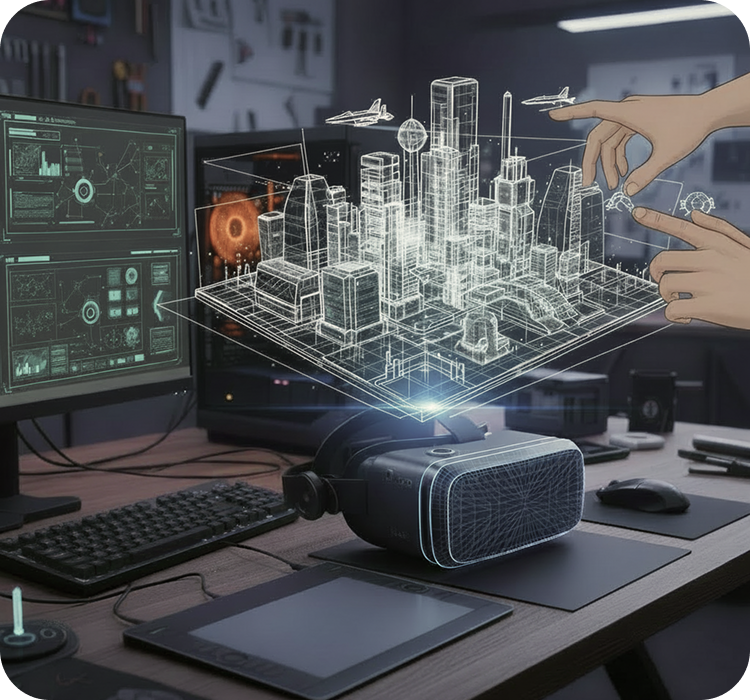
Immersive 3D visualization | Exploring the inaccessible
Thanks to immersive 3D modeling, complex phenomena become visible and easier to understand, supporting scientific demonstration and the strengthening of clinical practices.
Immersion in a 3D world helps contextualize learning and enhances the benefits of simulation.
Multiplayer
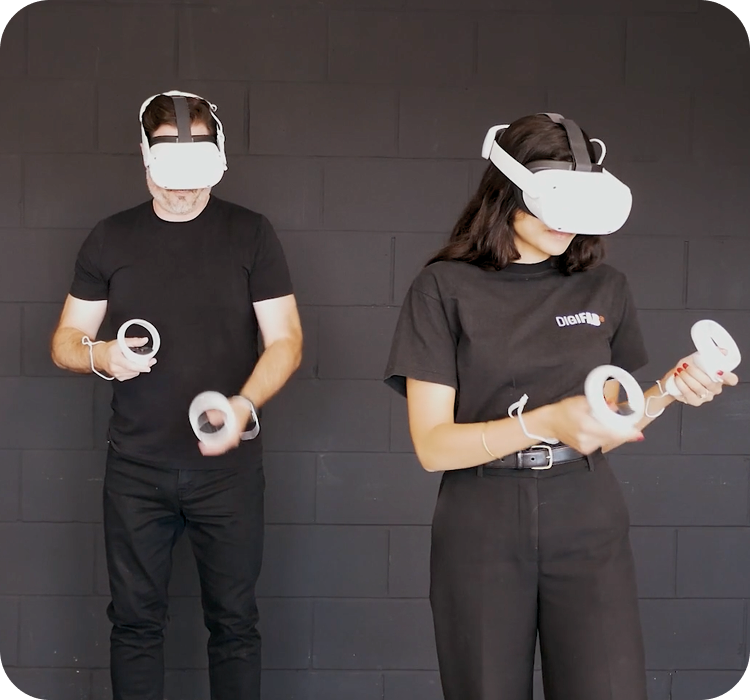
Collaborative immersion | Learning and acting together
The multiplayer mode fosters collaboration, communication, and real-time decision-making in high-pressure situations. Virtual reality becomes a shared space for action, where teams can train, coordinate, and strengthen their practices together.
Each session opens up new, unpredictable, and refreshed scenarios, ensuring a constantly evolving experience.
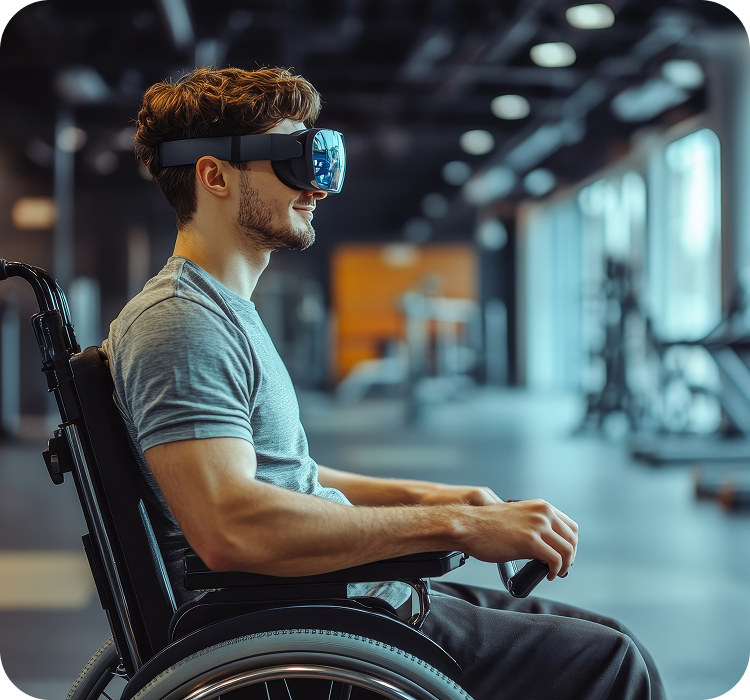
Accessibility
Inclusive virtual reality | Experiencing without barriers
Virtual reality provides an accessible, barrier-free learning journey that makes it possible to share diverse realities, develop empathy, and promote inclusion in training for people with cognitive, sensory, or physical limitations.
Our immersive training approach
A structured expertise, proven in the field
- Creative sprint to align challenges and objectives
- Rapid prototyping to test, refine, and learn
- Proof of concept to validate impact before deployment

DIGIFAB
“The pardeux team greatly helped us move forward by translating what initially felt like an intangible concept into an engaging, game-based scenario. The result: a learning experience that effectively conveys digital transformation concepts while immersing users in a compelling virtual reality environment. Thank you!”
Mathieu Pépin
Engineer – Digital Transformation 4.0 Expert

Longueil agglomeration economic development
“Our organization helps businesses transform digitally and improve productivity. We chose pardeux to create immersive virtual reality training for our clients. pardeux proved to be an exceptional partner, fully understanding our needs and offering tailored solutions. Their training allowed us to immerse our clients in the ‘factory of the future’ and showcase the benefits of digital technologies.
Our clients were delighted by this innovative and high-impact experience, which positively influenced their competitiveness. pardeux demonstrated outstanding professionalism, creativity, and responsiveness throughout the project. We highly recommend pardeux to any organization looking to train their teams using virtual reality. We sincerely thank them for their collaboration and quality of service.”
Geneviève Bourgoing
Senior Director, Business Support
Still unsure about immersive technologies?
Teams already transforming their training with virtual reality